
Dark oil spots on concrete driveways spoil curb appeal across Ottawa communities like Kanata, Orleans, Nepean, and Barrhaven. Here is what actually works.
The Best Way to Remove Oil from Concrete
For a fresh spill, immediately absorb excess oil using clay cat litter or a commercial absorbent without applying water. For set-in marks, apply a concrete-safe degreaser or poultice, scrub with a stiff nylon brush, and rinse carefully. Deeply embedded stains may require repeated chemical agitation or high-pressure surface rinsing.
Understanding Concrete Pores and Oil Absorption
Concrete appears solid, but its crystalline matrix contains millions of microscopic pores that draw in liquids through capillary action. When vehicle engines leak motor oil, synthetic fluids, or transmission fluid, petroleum hydrocarbons penetrate beneath the surface.
Why Concrete Absorbs Petroleum Hydrocarbons
Harsh Ottawa weather and winter freeze-thaw cycles open surface capillaries, letting spilled fluid settle deep inside the concrete slab. Over time, sunlight and ambient warmth bake these grease deposits into dark, persistent discoloration.
Good to know
Ottawa’s freeze-thaw cycles are among the most aggressive in Ontario. A concrete driveway can experience 40 to 60 freeze-thaw events per year, which progressively widens pore structure and makes unsealed slabs more vulnerable to oil penetration with each passing winter.
Fresh vs. Old Oil Stains: Key Differences
Addressing oil spills promptly yields faster results because liquid remains near the top layer. Once oil oxidizes and bonds with minerals, removing grease stains from concrete driveway surfaces requires stronger chemical solvents and mechanical force.
| Stain Category | Primary Cleaning Strategy | Difficulty |
|---|---|---|
| Fresh Oil Spill | Absorb pooled liquid dry, then apply light degreaser | Low to Moderate |
| Recent Oil Spot | Apply driveway oil stain remover and scrub with nylon brush | Moderate |
| Old Set-in Stain | Use heavy-duty degreasing poultice and repeated treatment | High |
| Embedded Contamination | Pre-treat with degreaser and perform high-pressure washing | High (shadow may remain) |
How to Remove a Fresh Oil Spill from a Driveway
Managing a fresh leak immediately prevents motor oil from sinking into deep concrete pores, saving significant scrubbing effort later.
Step-by-Step: Spill Absorption and Removal
Cover with Dry Absorbent, No Water
Cover the puddle immediately with clay cat litter, baking soda, or sawdust. Press the material lightly into the oil, allowing it to sit undisturbed for 30 to 60 minutes while absorbing fresh oil from the concrete surface.
Sweep and Dispose Responsibly
Sweep up saturated absorbent using a broom and dustpan. Never hose oily residue into city storm drains or surrounding soil. Place contaminated waste into sealed bags and follow local Ottawa hazardous waste disposal guidelines to protect nearby waterways.
Apply Dish Soap or Concrete Cleaner
Once loose oil is removed, apply concentrated dish soap or mild concrete cleaner directly over the spot. Scrub vigorously using a stiff-bristled brush to break down oil and grease buildup, then rinse thoroughly with warm water.
Tip from homeowners
Wet the concrete around the stained area before scrubbing. This prevents the oily rinse water from spreading and creating a secondary stain ring on the surrounding clean concrete.
Environmental note
Ottawa’s storm drainage connects directly to local waterways. Hosing oily runoff down the driveway toward the street is considered an environmental offence under municipal bylaws. Bag saturated absorbent material and check Ottawa’s hazardous waste drop-off schedule at ottawa.ca.
How to Get Old Oil Stains Off Driveway Concrete
Removing aged stains demands specialized solvents capable of re-emulsifying hardened petroleum deposits beneath the slab surface.
Deep Cleaning with Degreasers and Poultice Paste
Apply a specialized oil stain remover for driveway concrete or create a poultice paste using absorbent powder mixed with a degreasing solvent. Spread the paste over the mark, cover it with plastic wrap, and allow it to dry overnight. As the solvent evaporates, it draws trapped oil upward into the powder.
Chemical Handling and Safety
When working with heavy-duty degreasers, personal safety is essential. Wear chemical-resistant gloves, protective eye goggles, and closed-toe footwear. Following official CCOHS safety guidelines ensures proper handling of cleaning solutions without risking skin burns or chemical inhalation.
Pressure Washing Oil Stains on Driveway Surfaces
Pressurized water provides hydraulic lifting power that flushes out loosened contaminants from porous masonry.
Does Pressure Washing Remove Oil Stains Alone?
Water pressure alone cannot dissolve oil molecules. High-pressure washing works best when combined with chemical pre-treatment. Homeowners comparing soft washing vs pressure washing recognize that heavy concrete tolerates high PSI rinsing, whereas delicate siding surfaces require low-pressure washing methods.
Safe Pressure Washing Technique
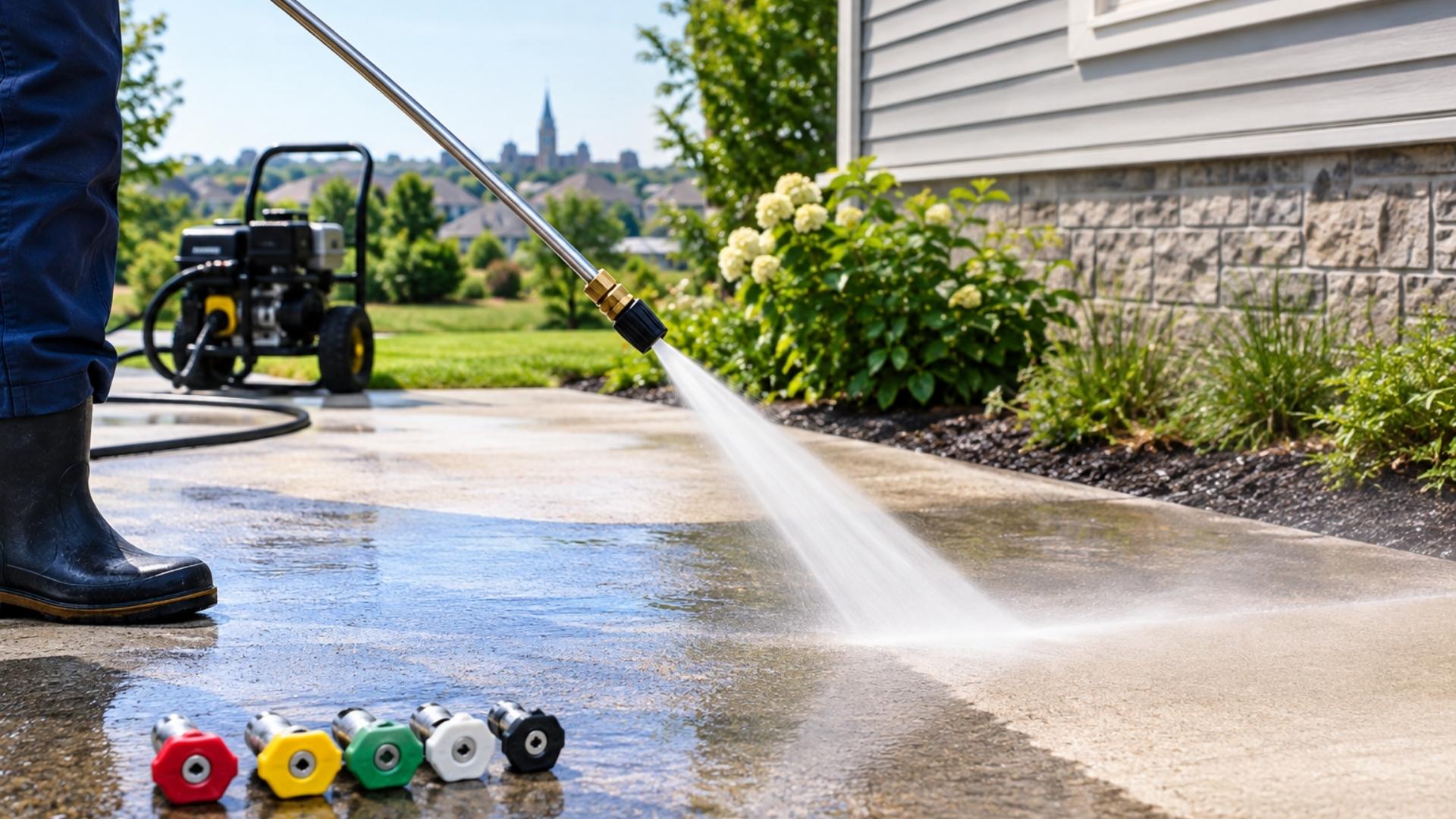
Apply a concrete degreaser first and allow ten minutes of dwell time. Equip your pressure washer with a 15-degree or 25-degree spray tip, holding the wand 12 to 18 inches from the slab. Sweep across the stain in smooth overlapping patterns to avoid carving gouges into the concrete surface.
Nozzle tip guide
Red (0°) = never use on concrete, it etches permanently. Yellow (15°) = fine for tough stains on solid concrete, hold at 14 to 18 inches. Green (25°) = best all-around tip for general driveway cleaning. White (40°) = good for rinsing after chemical treatment. Keep the wand moving at all times.
Common mistake that causes permanent damage
Holding a pressure washer too close to cracks or joints forces oily wastewater deeper into unsealed concrete while also widening the crack. Keep the wand moving and stay at least a foot away from control joints.
Common Mistakes When Cleaning Grease from Concrete
Avoiding frequent mistakes prevents permanent concrete damage while improving stain removal success rates.
Flammable Solvents and Chemical Mixing Hazards
Never use gasoline, kerosene, or paint thinners as cleaning agents. Flammable solvents create severe fire hazards and release toxic fumes. Additionally, mixing bleach with ammonia or acid-based degreasers produces dangerous chloramine gas.
Excessive Water Pressure and Etching
Using narrow 0-degree red spray tips or holding high-pressure wands too close etches permanent lines into driveways. High pressure can also force oily wastewater deeper into unsealed concrete cracks.
Using Hot Water Without Pre-Treatment
Hot water alone will not lift embedded oil. It can actually drive petroleum deeper into warm pores during summer. Always apply a degreaser first, give it the recommended dwell time, then rinse with warm water or a pressure washer.
Driveway Stain Prevention and Maintenance Tips
Place rubber drip trays under leaking vehicles, repair engine fluid leaks promptly, and keep clay absorbent in your garage. Applying a breathable concrete sealer every two to three years seals surface pores, preventing future oil leaks from sinking deep into the driveway matrix.
When to Hire Professional Driveway Cleaning Services
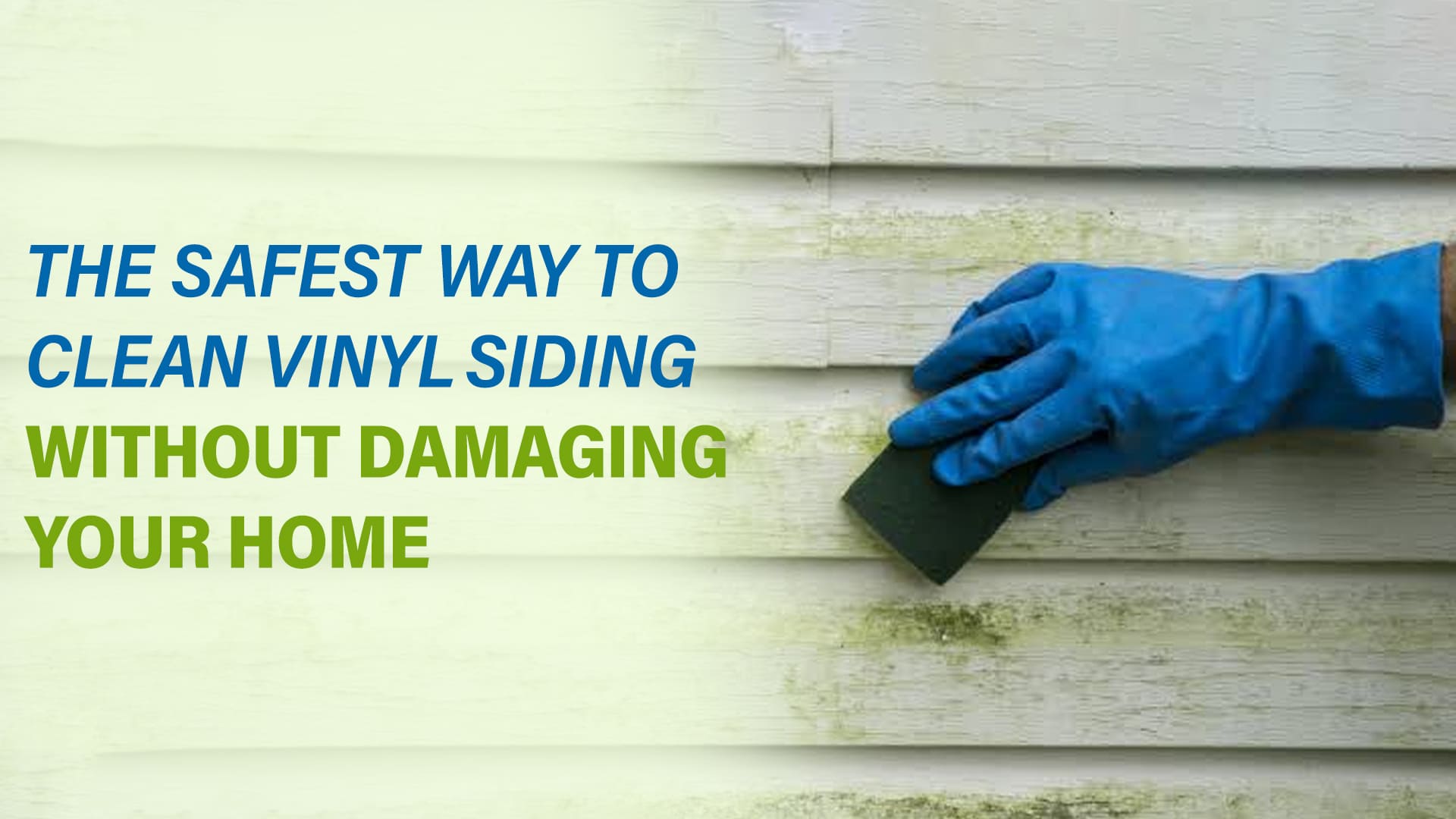
Large commercial spills, multiple dark oil spots, or old set-in stains often require industrial hot-water pressure washers and commercial-grade degreasers. Hiring expert Pressure Washing Services in Ottawa restores discoloured driveways safely while protecting local storm drainage. While refreshing outdoor surfaces, many property owners also schedule siding cleaning to maintain complete exterior curb appeal.
Frequently Asked Questions
What is the best way to remove oil from concrete?
The best approach combines absorbing fresh liquid with clay litter, applying a dedicated concrete degreaser, agitating with a stiff brush, and rinsing with warm water or high pressure.
Can pressure washing completely remove old driveway oil stains?
Pressure washing removes surface grease and loosened oil, but deeply embedded stains may leave a faint shadow even after hot-water cleaning.
Is gasoline safe to clean driveway oil stains?
No. Gasoline is highly flammable, releases toxic vapors, and poses severe environmental risks. Always use concrete-safe commercial degreasers.
What absorbs fresh oil spills fastest?
Clay cat litter, baking soda, and commercial absorbent powders quickly draw fresh oil out of porous concrete when applied immediately.
Will a degreaser damage my concrete driveway?
Concrete-safe alkaline degreasers do not harm sound concrete when applied according to product label instructions and rinsed thoroughly.
When should I hire professional driveway cleaning in Ottawa?
Hire professionals for extensive oil staining, aged petroleum spots, or when you lack heavy-duty hot-water pressure washing equipment.
Restoring Your Concrete Driveway Safely
Mastering how to remove oil stains from driveway concrete relies on swift absorption, proper degreasing solvents, and careful rinsing techniques. By avoiding dangerous solvents and utilizing safe pressure washing methods, you protect your concrete surface against premature wear. For stubborn stains or full exterior rejuvenation across Ottawa, contact Magicpro for professional cleaning results.