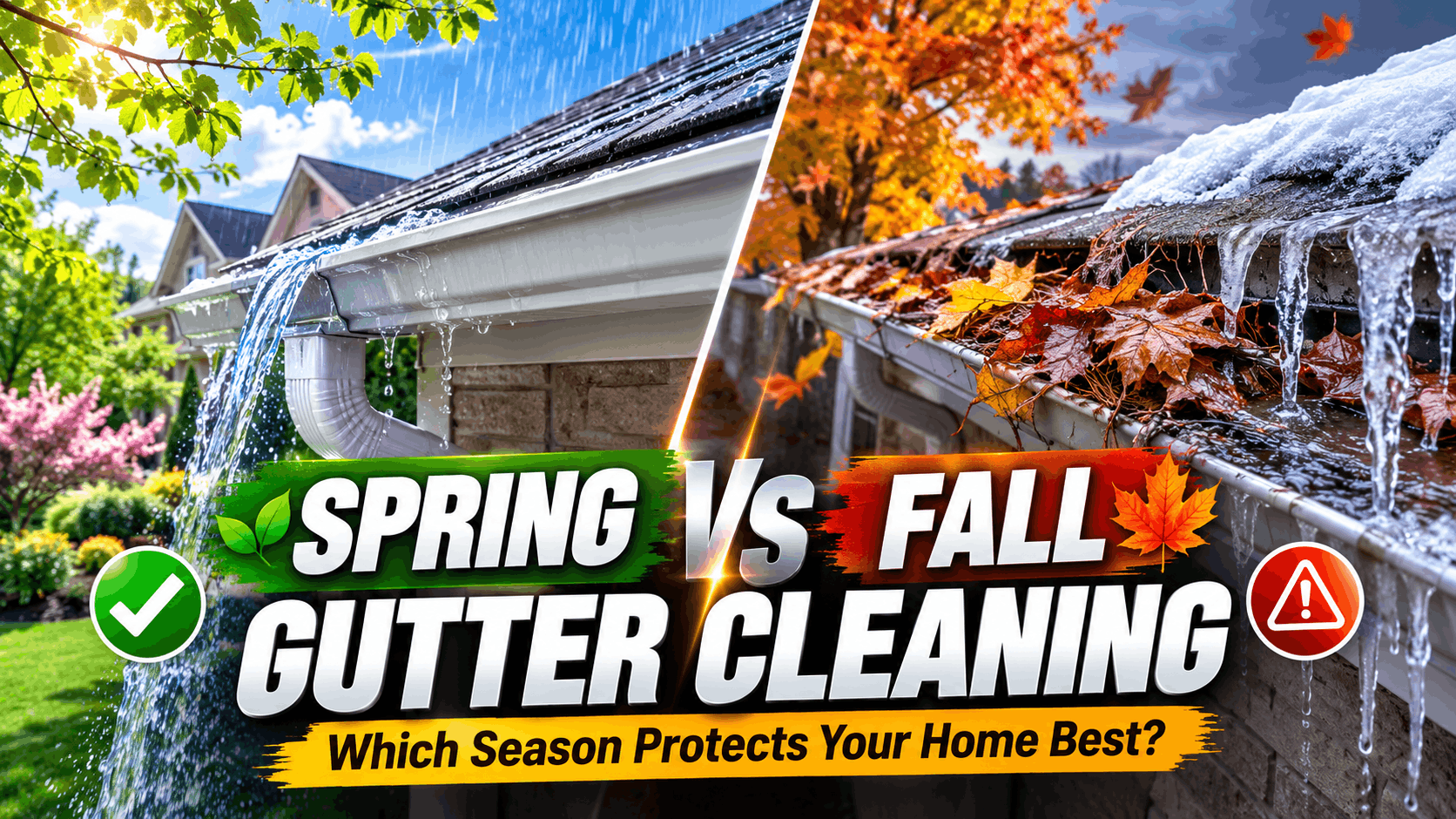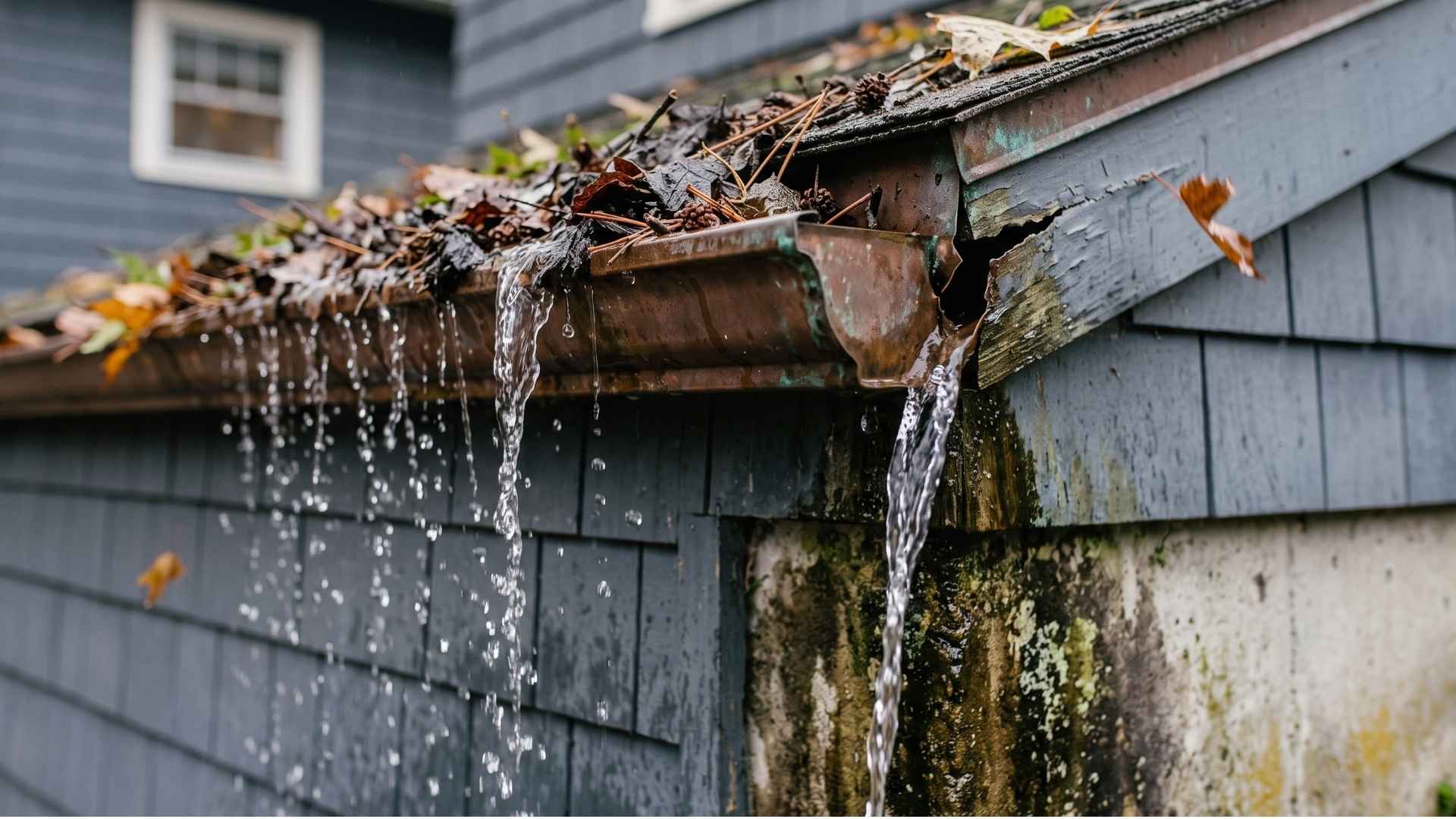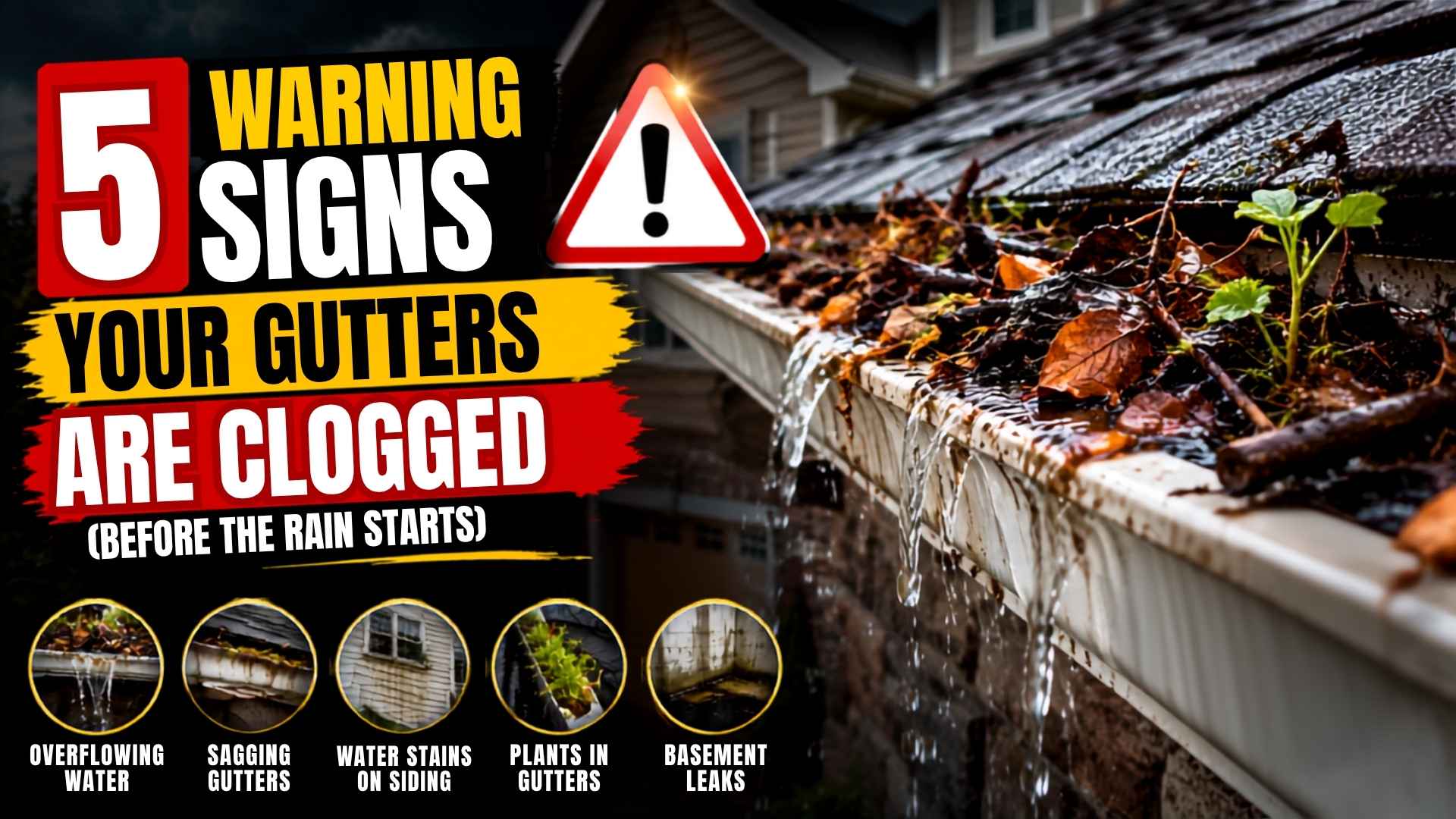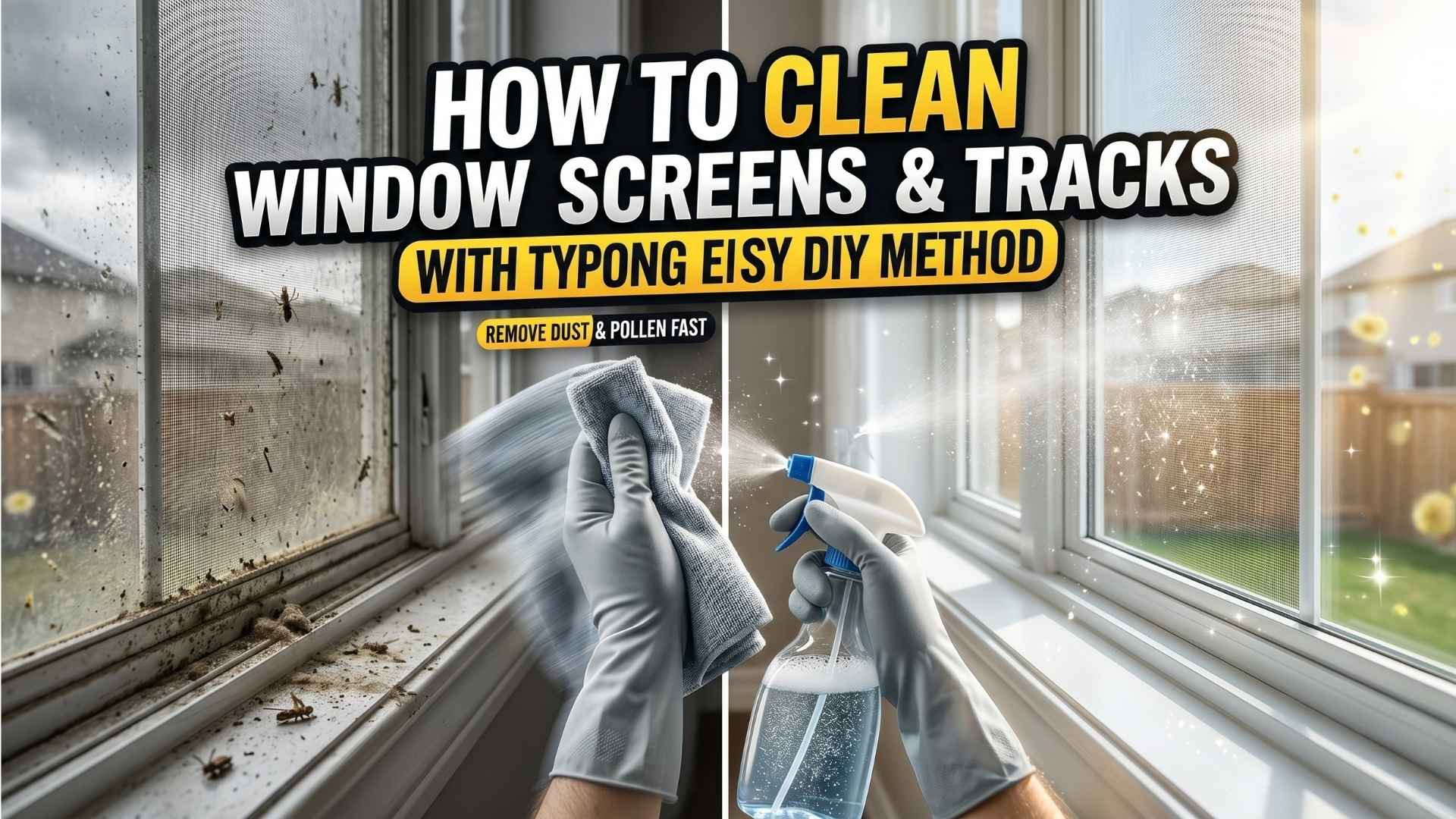

Curb appeal requires choosing the correct exterior house cleaning methods. Understanding soft washing vs pressure washing is key: soft washing utilizes low-pressure water and cleaning solutions for delicate vinyl siding and shingles, while pressure washing uses high-velocity water for durable concrete. Ottawa homeowners benefit from both, employing soft washing for roofs and pressure washing for driveways.

Understanding Your Home’s Exterior House Cleaning Methods
Maintaining your property requires a clear understanding of different exterior house cleaning methods. Every architectural element has a distinct threshold for physical impact. Blasting every wall with the same force leads to costly damage. Matching the appropriate washing technique to your building materials safely restores curb appeal while protecting your home’s structural envelope.
What Is Soft Washing and When to Use It?
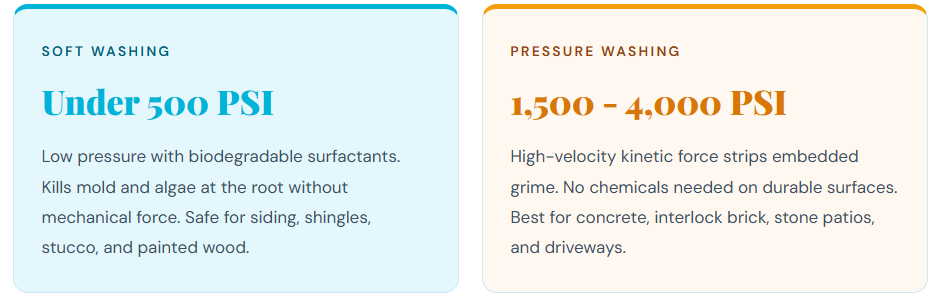
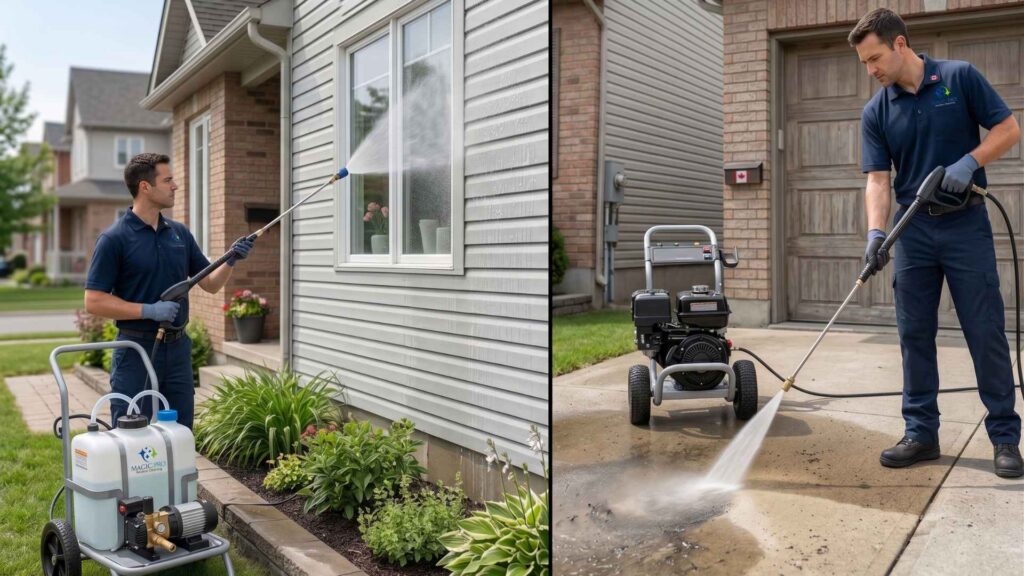
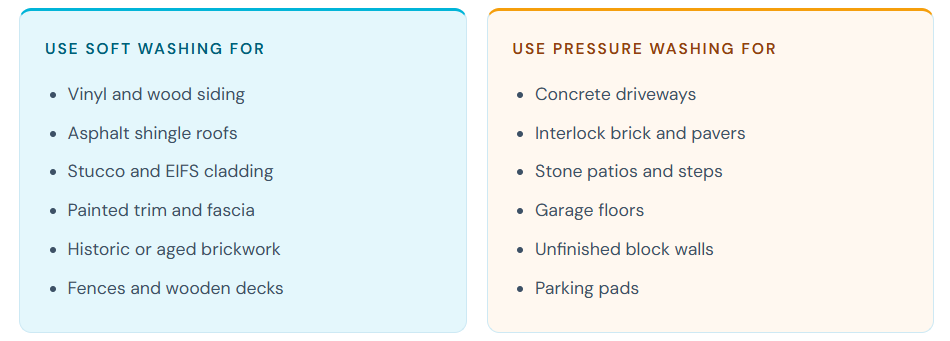
Soft washing is a low-pressure cleaning process designed to sanitize delicate materials. Operating at a pressure below 500 PSI, this method uses eco-friendly chemical solutions containing biodegradable surfactants to eliminate mold, algae, and moss at their root systems. This gentle approach is ideal for vinyl siding, roof shingles, stucco, and painted wood.
Check your shingle warranty before any roof cleaning
Most major shingle manufacturers, including GAF and CertainTeed, explicitly state in their warranty documentation that pressure washing voids coverage. Before booking any roof cleaning, check your warranty documentation or call the manufacturer. Low-pressure soft washing with a sodium hypochlorite solution is the industry-accepted standard for asphalt shingle cleaning.
Why Soft Washing is Essential for Roofs and Siding
Knowing when to use soft washing on a home is crucial to prevent structural issues. Siding and shingles are highly susceptible to high-pressure damage. Implementing safe cleaning methods for siding and roofs prevents water from bypassing flashing, protecting your soffit and fascia boards from hidden rot while keeping warranties intact.
What Is Pressure Washing and How Does It Work?
Pressure washing is a high-pressure water cleaning method that relies on kinetic force to strip away embedded contaminants. Utilizing water pressurized from 1,500 to 4,000 PSI, this method provides incredible mechanical power to blast away motor oil and grime. It is best for dense surfaces like concrete driveways, interlock brick walkways, and stone patios.
Pressure wash your driveway before resealing, not after
If you are planning to apply concrete sealer or new polymeric sand to your interlock, pressure washing should always come first and by at least 48 hours before you apply anything. Any salt residue, oil, or algae left under a fresh sealer will lift the coating from within as the seasons change. Spring is the ideal time in Ottawa, after road salt has been washed away by rain but before summer heat sets into the concrete.
High-Pressure Power: Pressure Washing for Concrete and Driveways
Utilizing pressure washing for concrete and driveways is the most effective way to restore porous surfaces. Driveways accumulate oil spills, road salt, and ground-in dirt. High-pressure streams penetrate concrete pores to lift these contaminants out, making it ideal for preparing walkways and patios for fresh polymeric jointing sand.
The Technical Breakdown of Soft Washing vs Pressure Washing
When comparing soft washing vs pressure washing, water pressure levels are the key differentiators. While high-pressure washing relies on physical force to clean durable surfaces, soft washing relies on safe chemicals to dissolve organic stains on delicate materials. Understanding the difference is essential to avoid stripping coatings or voiding warranties.
| Cleaning Method | Water Pressure | Ideal Surface | Risk Level | Primary Purpose |
| Soft Washing | Under 500 PSI | Siding, Shingles, Stucco | Very Low | Algae, Mold, Mildew Removal |
| Pressure Washing | Up to 4,000 PSI | Concrete, Brick, Stone | High if Misused | Dirt, Grime, and Stain Removal |
Here is a quick surface-by-surface guide to help you decide which method applies to each part of your property:
Preventing Exterior Surface Damage During Cleaning
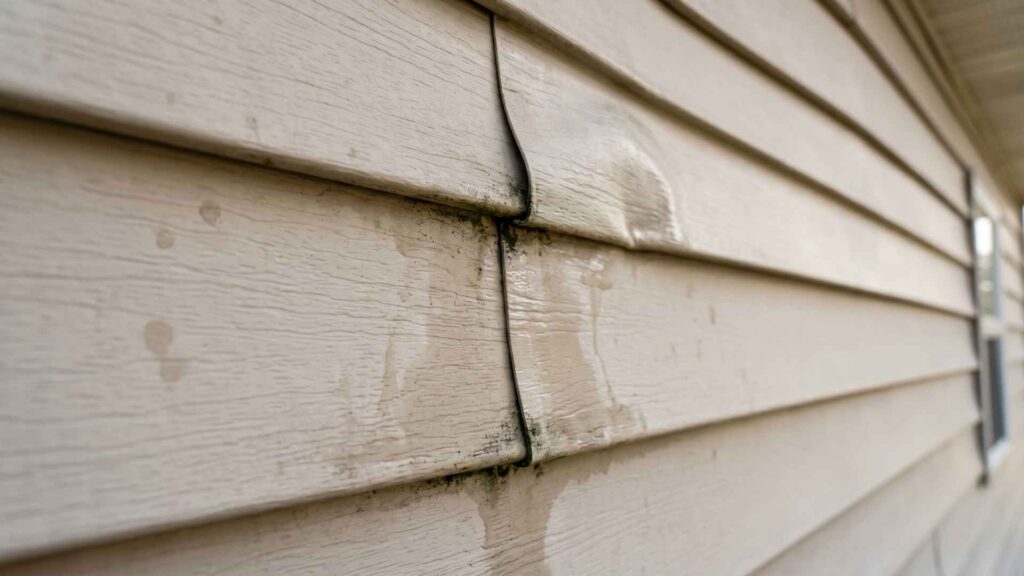
Choosing the incorrect cleaning method when deciding on soft washing vs pressure washing can cause immediate, expensive damage. High-pressure water can crack vinyl siding, strip paint, and compromise caulking seals. According to the Canada Mortgage and Housing Corporation (CMHC), moisture intrusion from improper cleaning can lead to mold inside walls. With water damage causing over 50% of Canadian property insurance claims, preventing exterior surface damage during cleaning is vital.
Never spray upward into siding seams with any pressure washer
Vinyl siding is designed to shed water falling downward, not resist water forced upward into the seams. Spraying at an upward angle, even at moderate pressure, pushes water behind the panels where it cannot dry. According to industry professionals and multiple exterior cleaning sources, this is the single most common cause of hidden moisture damage and eventual mold growth inside wall cavities after a DIY wash job.
Selecting the Best Ottawa House Washing Services
Why Ottawa’s Climate Demands Special Care
Ottawa’s extreme climate presents major challenges for property maintenance. Harsh winters leave corrosive road salt buildup, while hot, humid summers facilitate rapid algae and mold growth. Spring freeze-thaw cycles trap moisture inside micro-cracks, causing masonry spalling. This is why professional Ottawa house washing services adjust their methods to clear away salt and organic growth without forcing moisture into building envelopes.
Ottawa’s climate creates a year-round contamination cycle
Road salt applied through a five-month winter leaves chloride deposits on siding, brick, and concrete that become corrosive during spring rain if not properly removed. Then, Ottawa’s humid June through August (averaging 78% relative humidity) creates ideal conditions for algae, mildew, and moss to colonize those same surfaces within weeks. One professional exterior wash each spring addresses both seasons of buildup at the most cost-effective moment.
Benefits of Professional Exterior Cleaning
The benefits of professional exterior cleaning extend far beyond simple convenience. Trained technicians possess the commercial-grade equipment and knowledge to adjust pressure levels for different surfaces. They understand how to safely dilute cleaning solutions to kill mold without harming your delicate garden landscaping, ensuring that every surface is washed correctly to protect your home’s equity.
DIY vs Professional House Washing: Making the Smart Choice
When to DIY or Call Experts
Taking on a DIY home wash can be tempting, but operating rental machinery without training carries substantial risks. Homeowners often cause permanent surface damage or blast water behind vinyl panels. Understanding soft washing vs pressure washing helps homeowners identify projects that require professional expertise, ensuring that delicate exterior claddings remain perfectly safe.
Professional Pressure Washing Services in Ottawa
To ensure the safety of your property, rely on trained experts. When you hire MagicPro Pressure Washing Services in Ottawa, you get a customized cleaning approach that protects your home’s value. Professional technicians can guide you through the soft washing vs pressure washing selection to ensure each surface receives the exact treatment it needs, providing peace of mind.
What Homeowners Are Discussing Online
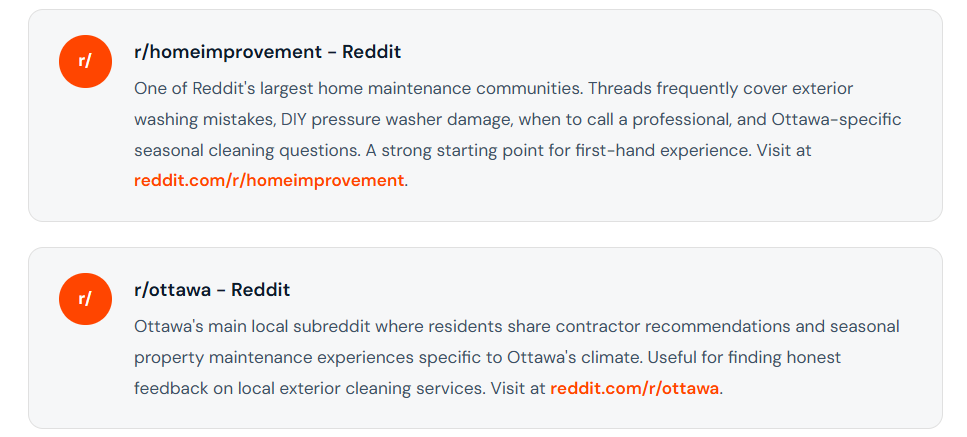
If you want to dig deeper into soft washing vs pressure washing before making a decision, these two Reddit communities are active, practical, and full of real homeowner and professional experiences.
FAQs About Soft Washing and Pressure Washing
What is the difference between soft washing vs pressure washing?
Soft washing uses low pressure and specialized chemical solutions to safely sanitize delicate surfaces like siding and shingles. In contrast, pressure washing uses high-pressure water to blast deep grime from durable concrete and masonry.
Is pressure washing safe for siding?
No, high pressure can crack vinyl panels, strip paint, and force water into walls. Soft washing is the only industry-approved method for safely cleaning residential siding.
When should soft washing be used?
Soft washing is ideal for delicate, low-density surfaces including asphalt shingles, wood siding, stucco, painted trim, and historic brickwork, cleaning them safely without risk of mechanical damage.
Can pressure washing damage a roof?
Yes, high pressure strips protective asphalt shingle granules and causes roof leaks while voiding shingle warranties. Roofs should always be cleaned using low-pressure soft washing techniques.
How often should Ottawa homes be professionally cleaned?
Ottawa properties should be cleaned once a year (ideally in spring) to thoroughly clear away winter road salt, spring pollen, and organic mold or mildew growth.
Final Thoughts on Protecting Your Ottawa Home’s Value
Making the correct choice in soft washing vs pressure washing is critical to keeping your residential property structurally sound and aesthetically beautiful. Utilizing the proper washing method ensures that your siding, shingles, and concrete driveways are cleared of harmful contaminants without risking physical damage. To preserve your property’s value and curb appeal, contact the experts at MagicPro Pressure Washing Services in Ottawa to schedule a professional consultation and protect your home today.